Buying
Buying a new home from abroad
What to sort out before you sign for a home in another country, from who may buy to deposits, currency and handover.
· 4 min read
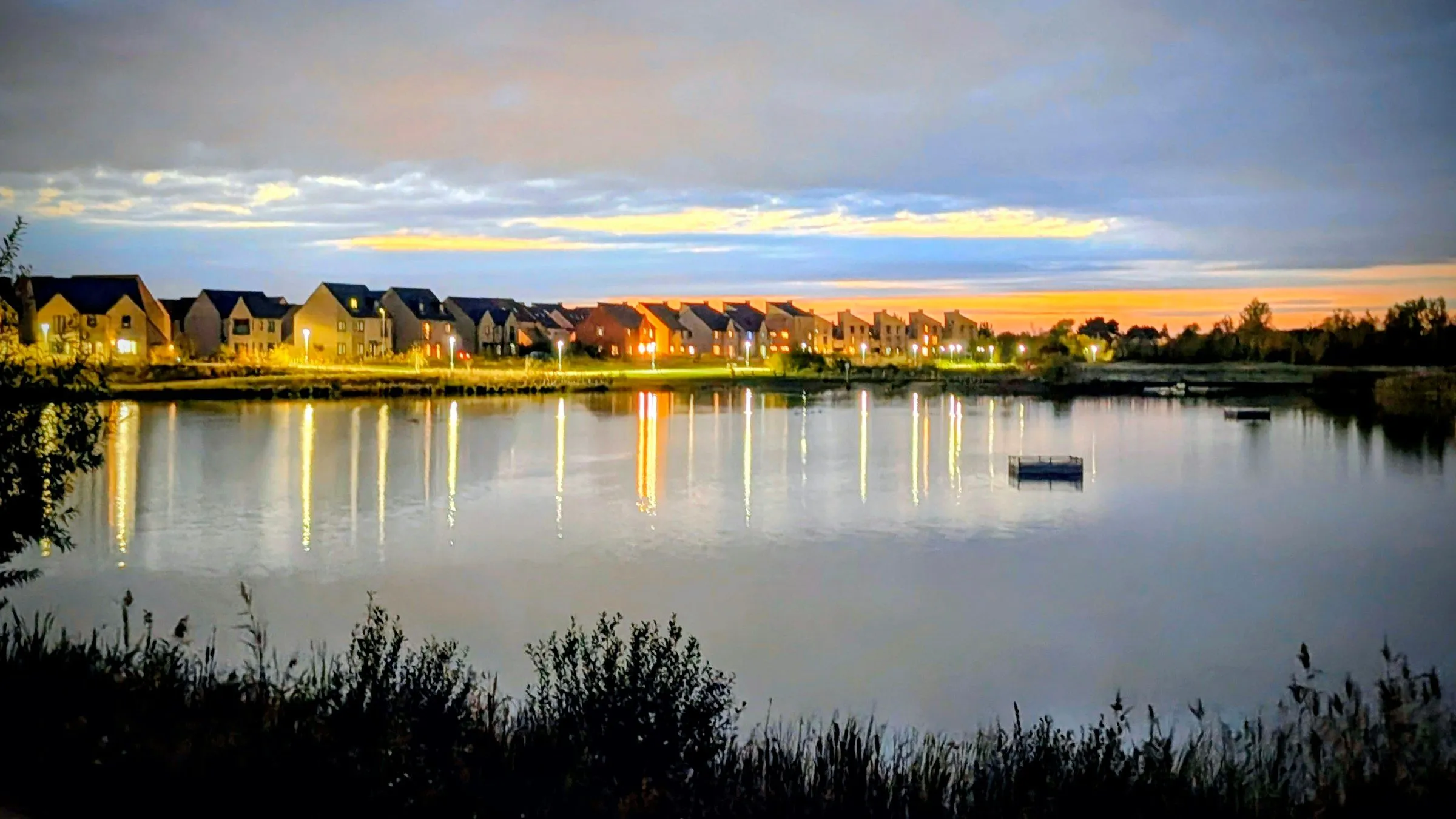
Many of the people who buy our homes live in another country when they sign. Some are moving for work. Some are coming home after years away. Some want a place to return to for part of the year.
Buying from a distance is very possible. It just takes more planning, and more help from people on the ground. These are the questions we suggest every buyer works through. The details differ in each country, so treat this as a map rather than a set of rules.
Check that you can buy
Start with the simplest question: are you allowed to buy? The answer depends on the country, and sometimes on your citizenship or where you live.
Some countries place few limits on foreign buyers. Others restrict who can buy homes, or ask for permission first. In Canada, a federal ban on most purchases of residential property by non-Canadians has been in place since 2023, with exceptions. In Denmark, people who do not live in the country generally need permission to buy property, though there are exceptions, including for many EU citizens. The United States, Portugal and the United Kingdom place fewer limits on who can buy a home, though the United Kingdom charges buyers who live abroad extra stamp duty.
These rules change. Ask a local lawyer before you start looking seriously.
Build your team early
You will need people who know the local process. At the least:
- A lawyer or notary who acts for you, not the seller. They check the title, the contract and the conditions of the sale.
- A tax adviser in the country where you buy, and ideally one at home too. Buying abroad can create tax duties in both places.
- A bank or mortgage broker, if you need a loan. Lenders are often more cautious with buyers who earn abroad.
- Someone you trust on the ground, for the visits you cannot make yourself.
In Portugal, you will also need a tax number, the NIF, before you can sign. Getting one is quick, but it has to come first.
Understand how a new build is paid for
Buying a home that is not finished yet works differently from buying an existing one. You usually pay in stages: a deposit when you sign, more as construction reaches agreed points, and the rest at completion.
Ask where your deposit is held. In many places it should sit in a protected account, or be covered by a guarantee, until the home is handed over. Ask what happens if the project is delayed, and what happens if it is never completed. A good contract answers both.
Plan for the currency
If you earn in one currency and pay in another, the exchange rate can move between signing and completion. Over a build of a year or more, that can change what you pay by a noticeable amount, in either direction.
Some buyers convert their money early. Others use a forward contract, which fixes a rate for a future date. Your bank or a currency specialist can explain the options. Whatever you choose, plan for the full schedule of payments, not just the deposit.
On this site, prices can be shown in five currencies. They are converted at fixed reference rates, rounded and labelled indicative. The price in a contract is always in the local currency.
Budget for more than the price
The price of a home is not the full cost of buying it. Depending on where you buy, you may also pay:
- Transfer or stamp taxes, sometimes at more than one level of government. Some places charge extra taxes to foreign buyers.
- Registration and notary fees.
- Legal and survey fees.
- Mortgage arrangement fees, if you borrow.
- Furniture, window coverings and the cost of the move.
Together these can add several percent to the price, and more in some places. Ask your lawyer for a full estimate before you sign.
Visit if you can
Plans and photos tell you a lot, but not everything. If you can, visit the site at least once. Go at different times of day. Walk to the nearest shop, school or station. Listen to the street at night.
Look at the light, too. Each of our residence pages includes a Daylight Explorer, which shows where the sun falls in every room through the year. It cannot replace standing in the room, but it can help you choose between homes from far away.
At handover
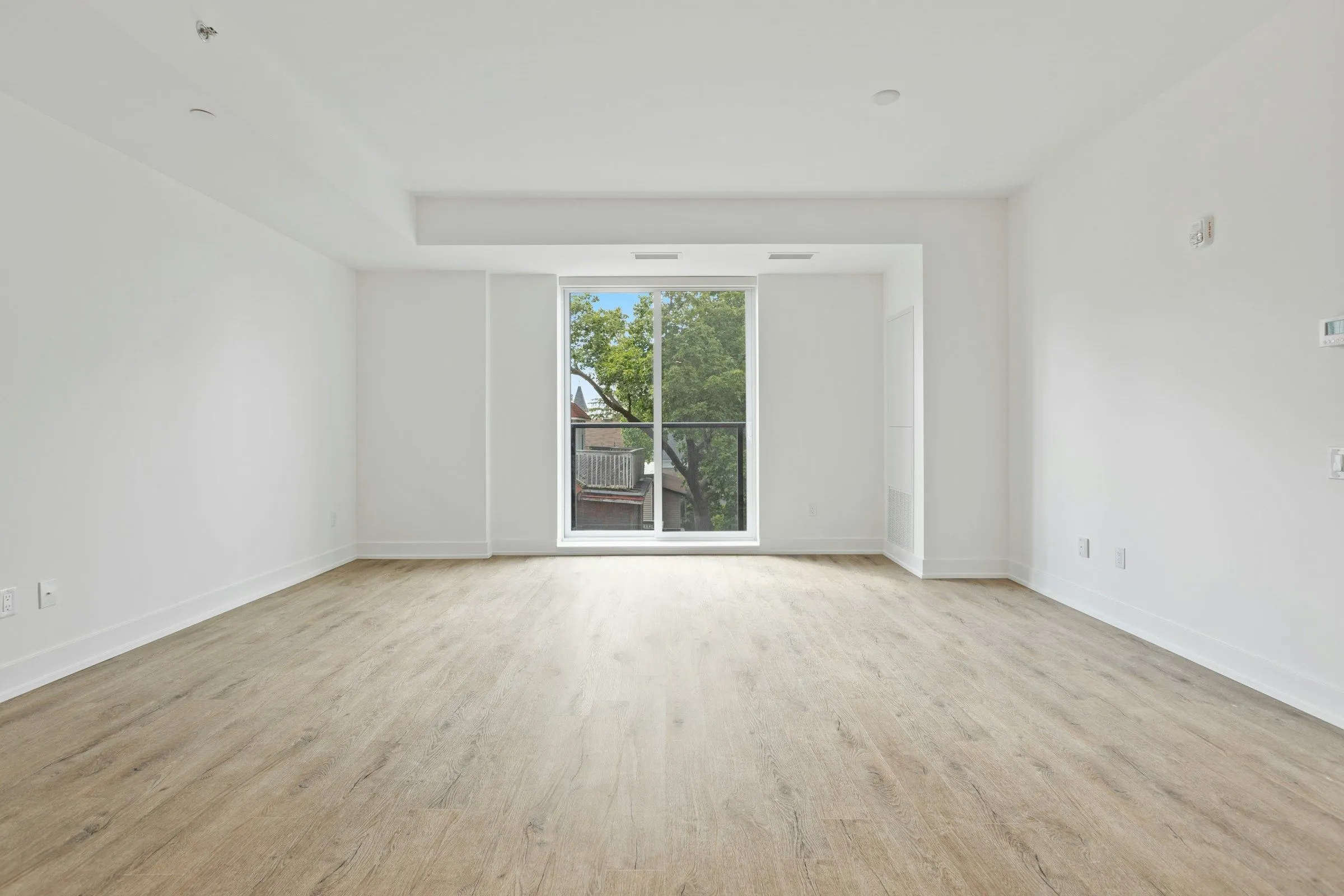
When the home is finished, there should be a walk-through before you take the keys. Note anything that is unfinished or damaged, and agree when it will be fixed. If you cannot be there, ask someone you trust to go, with a clear list.
Ask what warranty covers the home, and for how long. New homes usually come with some protection against defects. Its length and scope depend on the country, and sometimes on the region. Keep every document the builder gives you. You will need them if something goes wrong, and again when you sell.